

Mammography Notification Letters Can be a Pain — But They Matter More Than Ever
Automated patient notifications are a critical part of the breast imaging process. Whether you’re notifying patients of benign results, reminding them they’re due for a follow-up, or delivering personalized screening recommendations based on their risk—every message matters.
These notifications might go out as mailed letters. Or through a patient portal. Or both.
But regardless of format, they all share one thing in common: they need to be timely, accurate, and compliant.
Between new MQSA requirements for breast density notifications and operational needs like location-specific content and multi-language support, patient letters have become increasingly complex. And for many breast centers, it remains one of the most frustrating and manual parts of the workflow.
MagView changes that.
Our mammography patient letter software automates and personalizes the entire notification process—physical or digital—so your team can stay compliant, communicate clearly, and focus on patient care.
Challenges Breast Centers Face with Manual Letter Processes
Many breast centers rely on outdated or disconnected systems to manage letters—making a process that should be routine anything but simple. Common challenges include:
- Keeping up with changing MQSA regulations, including mandated breast density language.
- Managing location-specific content, such as facility name, phone number, or affiliated radiologists.
- Supporting multiple languages for a diverse patient population.
- Maintaining multiple versions of the same letter for different sites.
- Formatting and delivery issues, whether printing for mail or formatting for the patient portal.
Even small updates – like adding a QR code or changing a phone number—can require a ripple of changes across multiple templates. And for many teams, it’s a manual (and painful task).
Patient letters—physical or digital—shouldn’t be this hard.
The Better Way to Handle Mammography Letters
Patient communication is at the heart of effective tracking. That’s why MagView’s Patient & Mammography Tracking Software capabilities include powerful tools to automate and personalize patient letters across every location and workflow.
“The beauty of MagView’s letter engine is its flexibility. Whether you’re serving a multi-location enterprise with language support and custom letterhead, or a single-site clinic managing recalls—our tools scale to fit.” – Tyler Forbes, Support Team Manager at MagView
Here’s how:
Fully Automated Delivery
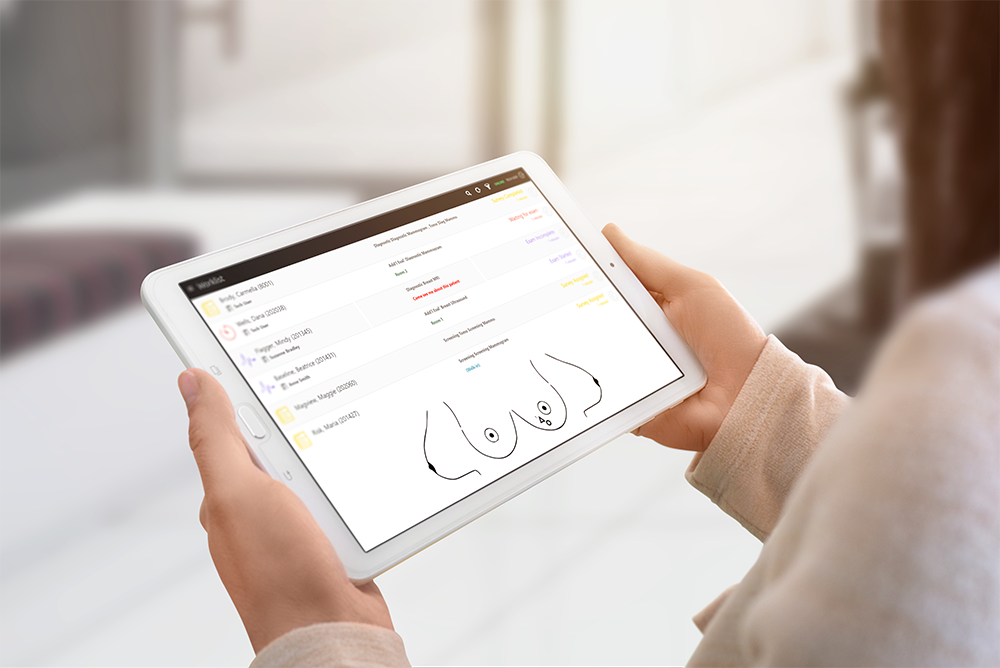
Whether your letters are printed and mailed or delivered through a patient portal, MagView supports automated generation and delivery. You can configure when letters are created (immediately after report release, same-day, next-day, or custom timing) and tailor workflows based on your facility’s preferences.
One Letter Set, Smart Logic
Gone are the days of managing dozens of templates. With MagView, you can create one letter set and use smart merge fields to dynamically populate facility-specific information—like address, phone number, or reading group—based on where the patient was seen.
Multi-Language Support
Serve your entire community with confidence. MagView allows you to generate letters in multiple languages based on each patient’s preferred language. Whether you’re mailing or using a portal, the system ensures the right version is delivered—automatically.
Customizable Layout & Branding
Your brand matters. MagView makes it easy to maintain consistent formatting and visuals across all patient letters.
What Modern Breast Centers Need from Patient Notifications
MagView’s mammography letter software does far more than send results. It’s designed to support the full continuum of patient communication—recall reminders, follow-up recommendations, risk-based messaging, and more—delivered in the right format at the right time.
Recall Letters, Automated and On Your Schedule
Recalls are essential for bringing patients back on time and back to your facility. But manually tracking who’s due and when? That’s a thing of the past.
You can automate up to three recall notifications per patient—customized by time intervals that work for your workflow. For example:
- 30 days before the due date
- 15 days after they were due
- A final reminder 45 days later
You define the cadence. MagView takes care of the rest.
Whether the patient receives their reminder by mail or through the portal, the message is automatically generated, delivered, and logged—keeping your team focused on care, not paperwork.
Support for Personalized Risk Communication
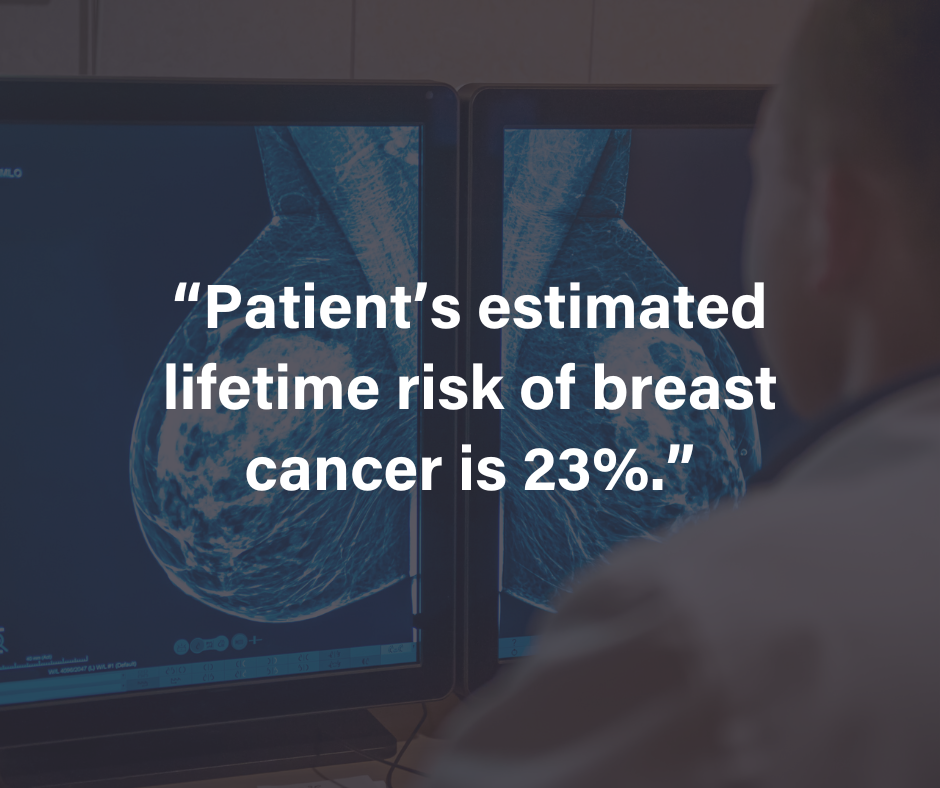
For patients identified as high-risk (using models like Tyrer-Cuzick or BRCAPro), MagView makes it easy to deliver tailored messaging. You can:
- Run reports to identify patients who meet high-risk criteria
- Generate and batch-send personalized letters
- Include recommendations for supplemental screening (e.g., MRI)
- Include high-risk messaging in the patient notification letter or in a separate letter
This feature is especially powerful when paired with MagView’s Luminary Risk, helping patients understand their unique breast cancer risk and take proactive steps.
Compliant Breast Density Language—Built In
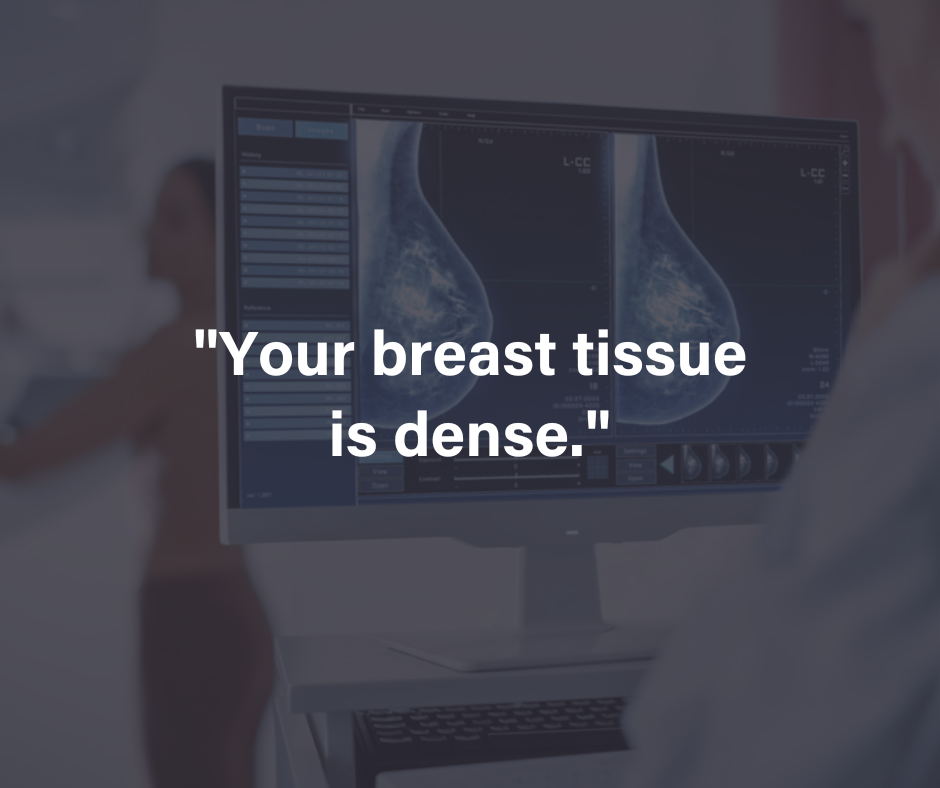
With the updated MQSA requirement, all patient notification letters must now include FDA-approved language about breast density. MagView ensures your Mammogram Results Letters are fully compliant—automatically inserting the appropriate statement (dense or not dense) based on the mammogram result.
You can rest easy knowing:
- The correct verbiage is used every time
- Your letters meet federal requirements
- No risky edits or guesswork are needed
And for states with additional mandates, MagView can include supplemental content as needed—without compromising federal compliance.
Give Patients Easy Access with Portal & Texting Options
MagView enhances patient engagement by offering flexible delivery options so patients receive information the way they prefer. In addition to mailed letters, facilities can securely deliver results, reminders, and risk communications via a patient portal or through a secure text message link. Learn more about the benefits of electronic mammogram lay letters and why digital delivery is becoming the standard for modern breast centers.
This reduces delays, boosts follow-through, and helps your patients stay informed and proactive about their breast health.
“MagView letters aren’t just about compliance—they’re about communication. Every patient message becomes an opportunity to reinforce quality, build trust, and keep care moving forward.” – Tyler Forbes, MagView Support Manager at MagView
Easily Customize Breast Imaging Letters Without Technical Barriers
MagView’s built-in PDF Letter Editor makes it easy for your team to customize patient notifications—whether they’re being mailed or delivered through a portal. It’s designed to give you full control over formatting, branding, and content updates—without relying on IT or third-party tools.
With the PDF Letter Editor, you can:
- Preview letters in real-time with a live PDF view before printing or sending
- Easily adjust fonts, styles, logos, and letterheads to match your brand
- Add or update QR codes without any technical lift
- Seamlessly integrate with print centers for efficient delivery
- Bypass the complexities of legacy PCL formatting
The result? Faster updates, fewer errors, and more autonomy for your team—so you can focus on communicating clearly and consistently with every patient.
MagView Makes Patient Letters Simple, Accurate, and Compliant
Whether your facility is mailing letters, using a patient portal, or both—MagView provides the tools to streamline, personalize, and automate the entire notification process. From result delivery to recall reminders to risk-based communication, every letter is sent with confidence, consistency, and compliance.
You’ll save time. Improve accuracy. And most importantly, support a better patient experience.


























![shutterstock_1299510538-[Converted]](https://dev.magview.com/wp-content/uploads/2023/05/shutterstock_1299510538-Converted.jpg "monitoring breast density")