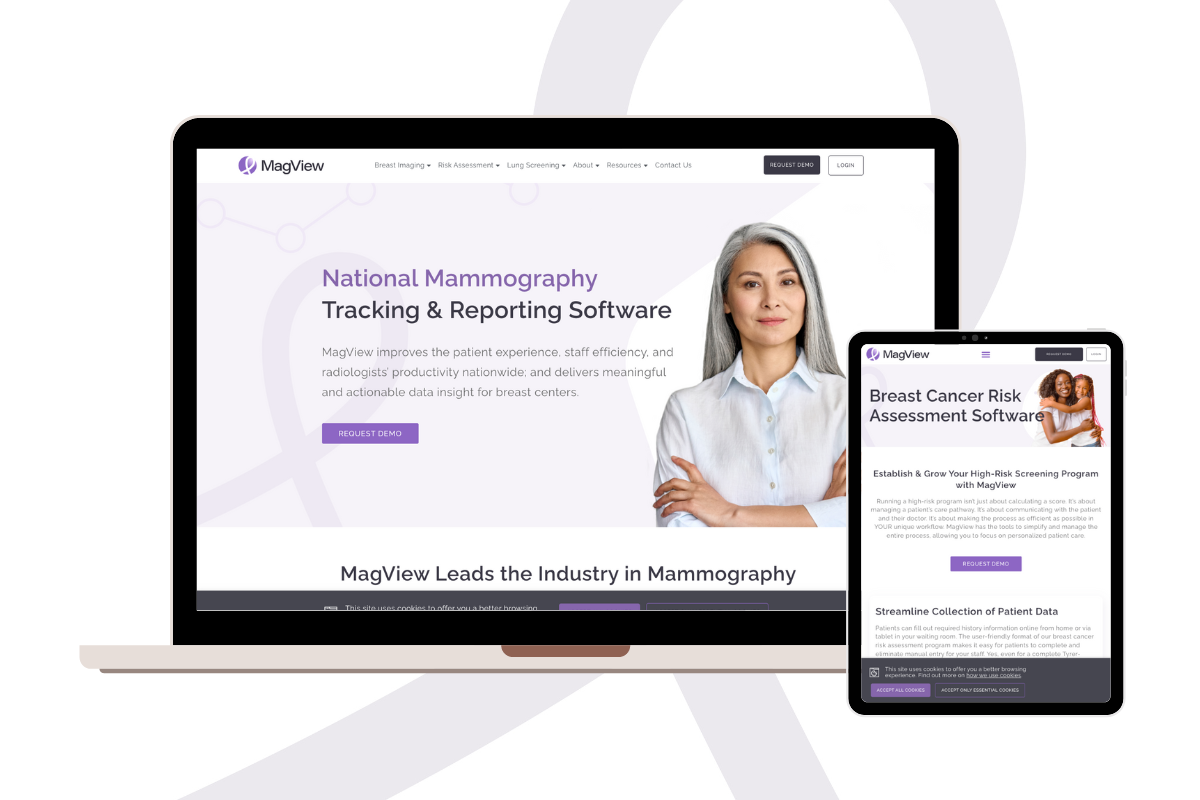


Using a breast cancer risk assessment tool is the first critical step in effective breast cancer prevention and breast health care. Your risk score is one of the most important tools you will use alongside your breast healthcare provider for early detection and proactive monitoring. Your risk score helps you understand when you should start screening and what type of screening is right for you.
But once you have that score, what happens next? At MagView, we know how overwhelming the world of breast cancer prevention and planning can be, and we want to help you feel confident in the power of your risk score, and informed enough to talk with your provider about it — especially if they’re new to risk scores and breast cancer risk prevention tools.
Understanding Your Risk Score (Gail vs. Tyrer-Cuzick)
Over the recent decades in breast cancer research, a variety of assessment models have been developed to help women determine their breast cancer risk. These models offer different levels of effectiveness when used in certain demographics. The two most accurate and widely-used models are the Tyrer-Cuzick and Gail models.
Named for Dr. Mitchell Gail, the NCI Division of Breast Cancer Epidemiology and Genetics senior investigator, the Gail Model provides the outlook for developing invasive breast cancer over a specified time frame. This model measures BRCA1 and BRCA2 mutations, and is known to provide higher accuracy for white women than black or Pacific Islander women.
The Tyrer-Cuzick model (the model MagView chooses to use for our breast cancer risk assessment tool) is most effective in predicting risk in women who have a higher familial cancer history, and has also included breast density into its consideration.
In the Tyrer-Cuzick model, risks are categorized as such:
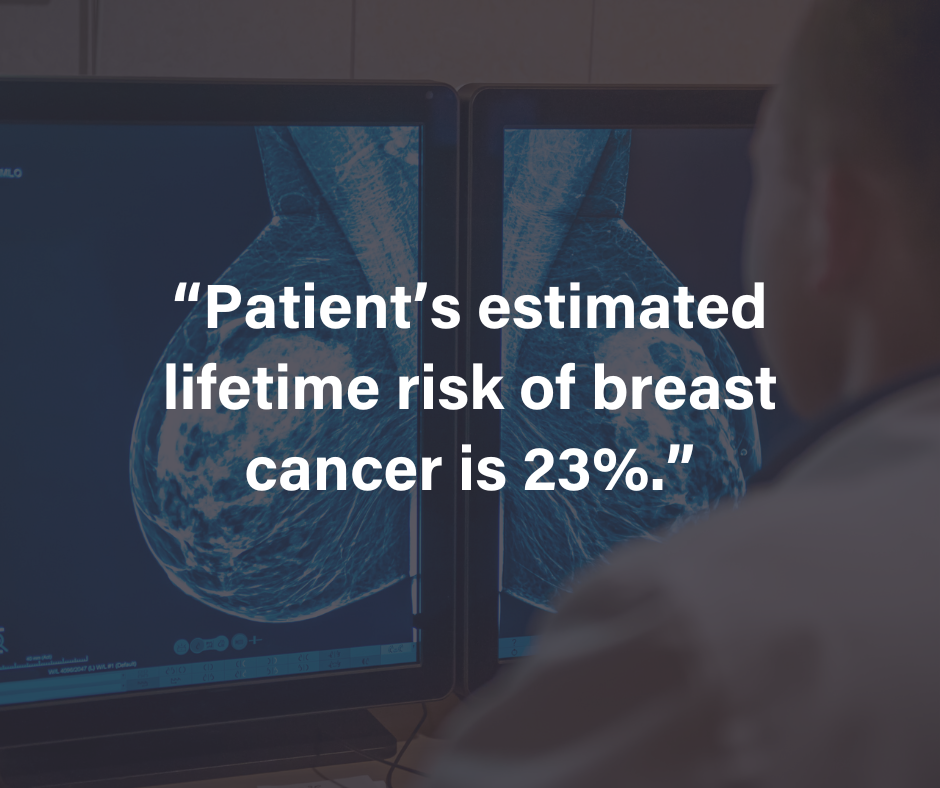
- Average Risk: 15% or below
- Intermediate Risk: Between 15% and 19%
- High Risk: Higher than 20%
What Does a High Breast Cancer Risk Mean?
It’s important to remember that having a “high risk” score on a breast cancer risk assessment tool does not automatically mean that you have cancer. Women who receive a “high-risk” score on the Tyrer-Cuzick model are considered more likely to develop breast cancer at some point in their lives, but again this is not a guarantee. If you have a high risk score, your provider will work with you to build a care plan centered around your high risk level, which mayinclude more frequent, additional testing.
Immediate Next Steps: Genetic Counseling & Additional Screening
If you learn that you are high-risk above 20%, schedule an appointment to talk to your doctor. If possible, print the results from your risk assessment to share with them. The risk assessment calculator (link) will give you your score and the reccomednations for when and which tests are best for you. Talk to your doctor about this. You may also qualify for genetic testing. Talk to you doctor about this or visit our partners, Myriad to learn more about Genentic testing (https://myriad.com/getmyrisk)
If your current physician is not receptive to or does not agree with the recommendations based on your risk assessment results, you may want to seek a second opinion. You can search online for “high-risk breast clinic near me” or “high risk breast specialist near me” to find alternative options.
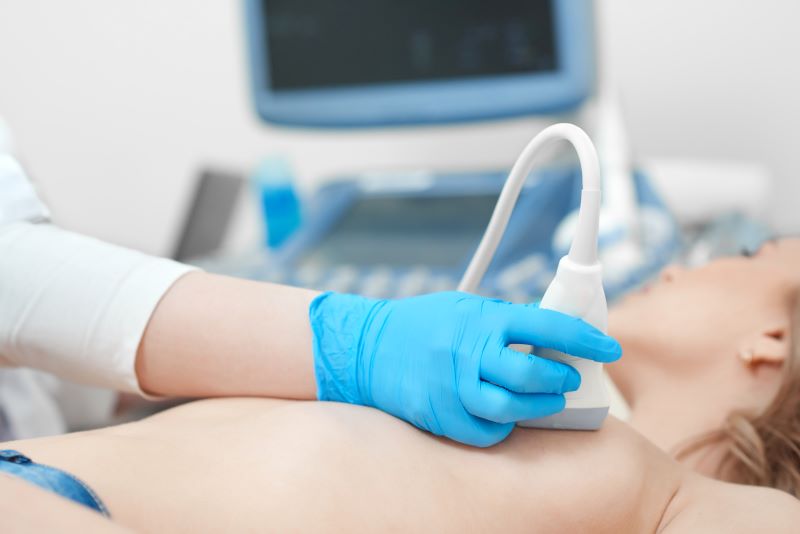
Additional screening is also recommended, which can include ultrasounds and MRI scans.
Modifiable Breast Cancer Risk Factors You Can Reduce
Though breast cancer is not completely preventable, there are certain lifestyle changes you can make that are known to reduce your breast cancer risks. These include:
- Limiting or eliminating alcohol consumption
- Eliminating tobacco consumption
- Reaching and maintaining a healthy weight
- Incorporating regular exercise into your daily routine
There are other factors that can impact your risk, but it’s important to discuss discontinuation of any medical procedures or medications with your provider before making any changes:
- Hormone replacement therapy
- Birth control
- Radiation
- Certain environmental factors
Self-Exam & Prevention: What to Do at Home
One of the best ways to encourage early breast cancer detection is through at-home self breast exams. These are a simple, effective way to keep track of your breast health, and to improve your chances of catching and treating breast cancer early.
Some self-exam guidelines include:
- Self exams should be done at the same time every month, or each cycle
- Self exams should be done visually in the mirror, lying down, and standing up
- Exams shouldn’t be rushed — take the time you need to fully examine your breasts
If you notice something, you should contact your provider immediately for further testing
Visit Know Your Lemons to learn about the 12-signs of breast cancer as a lump isn’t the only one.
Remember: most lumps found in the breast are not cancerous, so you should not panic. Simply reach out to your provider and
Schedule an appointment to have things evaluated.
Resources: Self-Exam Guides, Risk Tools & FAQ (What Does My Risk Mean?
Looking for a more detailed breast self-exam guide? MagView’s women’s health blog is a fantastic resource for information about self exams, breast health, and more. Visit this self-exam guide for more information.
Interested in learning your risk score, but not sure where to start? MagView’s online breast cancer risk assessment tool is available for free here on our website. Bring your risk score to your breast health provider at your next appointment.
FAQ:
What is a Tyrer-Cuzick Risk Score?
The percentage of risk of breast cancer development over a lifetime and within the next 10 years
What do I do after I have my score?
Print your risk assessment results and bring it with you to your appointment with your women’s health provider.
What happens if my risk score is high?
Your provider will recommend further screening options and the possibility of genetic counseling. This screening will determine your future treatment and screening schedule.
Risk Assessment Is the First Step of Prevention
Early detection is one of the best factors for positive breast cancer outcomes, and finding your risk score improves those outcomes even further. Regular screening and early assessment are the keys to breast cancer prevention and management. MagView’s free online assessment tool is a great way to start a conversation with your provider.

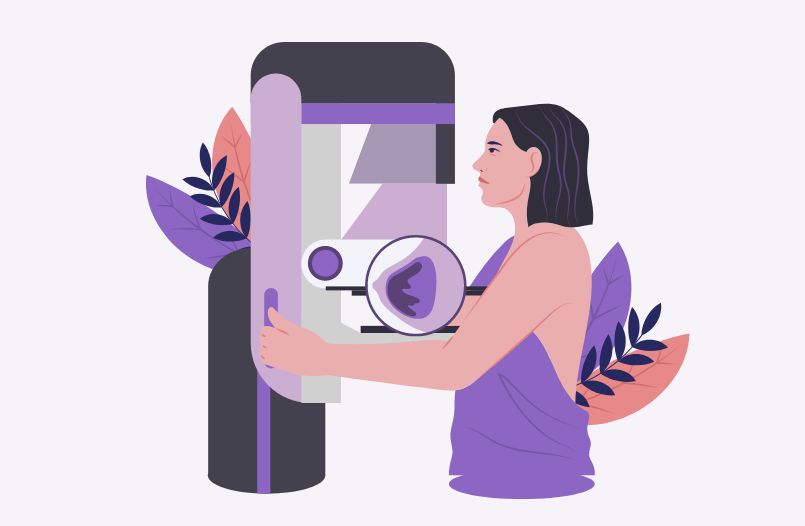













![shutterstock_1299510538-[Converted]](https://dev.magview.com/wp-content/uploads/2023/05/shutterstock_1299510538-Converted.jpg "monitoring breast density")